Planning a solo trip begins with setting a clear intention for your travel experience. Moreover, when you understand why you want to travel alone, you make better decisions about where to go and what to prioritize. Whether your goal is relaxation, cultural exploration, or personal challenge, having direction helps you stay focused. Additionally, researching your destination in advance gives you insight into transportation, weather patterns, and cultural expectations, which makes your journey smoother and more enjoyable.
At the same time, effective planning does not mean restricting yourself too tightly. Therefore, while it is important to organize key details such as accommodation and travel routes, it is equally important to stay flexible. As your journey unfolds, unexpected opportunities may appear that are not part of your original plan. Meanwhile, balancing structure with spontaneity allows you to experience both security and adventure, which is one of the most rewarding aspects of traveling alone.
Staying Safe While Traveling Alone
Safety plays a central role in solo travel, and being aware of your environment is essential at every stage of the journey. Moreover, when you remain alert in unfamiliar places, you reduce the risk of potential problems and increase your confidence. Taking time to observe local surroundings, especially when you first arrive, helps you identify safe areas and understand how people move through the space. Additionally, keeping digital and physical copies of important documents ensures you are prepared for unexpected situations.
However, staying safe should not take away from the enjoyment of your trip. Therefore, you can still explore freely by making thoughtful and informed decisions. As a result, simple habits such as using reliable transportation services and staying in well-reviewed accommodations significantly improve your sense of security. Meanwhile, maintaining regular communication with a trusted friend or family member adds another layer of reassurance, allowing you to enjoy your experience with greater peace of mind.
Making the Most of Your Travel Experience
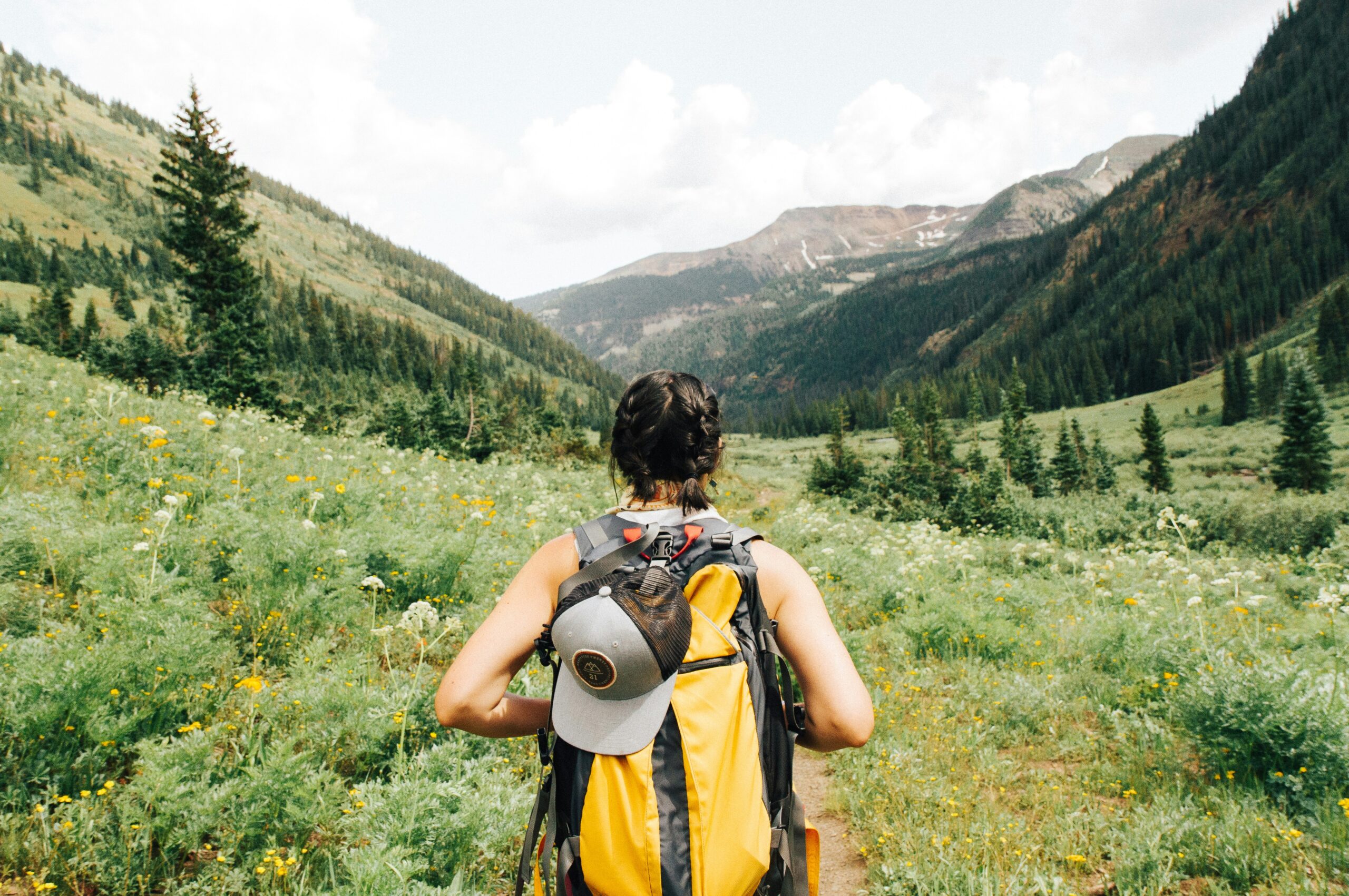
Solo travel offers a powerful opportunity to experience true independence and immersive self-guided exploration. Moreover, without the need to compromise with others, you can fully design each day around your personal interests, travel goals, and energy levels. This freedom allows you to enjoy cultural attractions, historic museums, scenic landscapes, and vibrant local markets at your own pace. At the same time, solo travel encourages deeper awareness of your surroundings and more meaningful experiences. Furthermore, outdoor activities such as hiking trails, cycling routes, kayaking, and exploring national parks add energy, adventure, and a stronger connection with nature, making your journey more active and rewarding.
At the same time, being fully present enhances the overall value of your journey. Therefore, instead of rushing through attractions, you can take time to absorb the atmosphere and understand the local culture more deeply. As you interact with food, traditions, and people, your experience becomes more meaningful and memorable. Meanwhile, reflecting on your daily experiences through writing or photography helps you preserve those moments and strengthens your connection to the journey.
Building Connections on the Road
Traveling alone does not mean staying isolated, and in fact, it often creates more opportunities for meaningful human connection. Moreover, when you are on your own, you tend to be more open and approachable, which naturally encourages conversations with others. Whether you meet fellow travelers in shared spaces or engage with locals, these interactions can add depth and richness to your experience. Additionally, shared experiences often lead to spontaneous friendships that enhance your journey.
However, it is important to approach new connections with both openness and awareness. Therefore, while you engage with others, you should still trust your instincts and maintain personal boundaries. As a result, you can enjoy social interactions without compromising your comfort or safety. Meanwhile, participating in group tours, workshops, or cultural events creates natural environments where connections form easily, making your solo experience feel more socially balanced and enjoyable.
Embracing Personal Growth Through Solo Travel
Solo travel often becomes a powerful path toward personal growth and self-discovery. Moreover, when you navigate new environments independently, you develop stronger problem-solving skills and greater self-reliance. Each decision you make, from navigating transportation to choosing where to eat, builds your confidence over time. Additionally, overcoming unfamiliar situations helps you realize your own adaptability and inner strength.
At the same time, the quiet moments during solo travel provide space for reflection and clarity. Therefore, without the distractions of daily routines, you begin to understand your priorities and personal goals more clearly. As a result, you may return home with a renewed sense of direction and purpose. Meanwhile, these experiences often influence your mindset long after the journey ends, shaping how you approach challenges and opportunities in everyday life. Furthermore, engaging in outdoor activities such as hiking scenic mountain trails, exploring coastal boardwalks, cycling through vibrant city streets, kayaking along calm rivers, or walking through peaceful nature parks adds both excitement and balance to your solo journey, allowing you to stay physically active while also deeply connecting with the natural beauty and energy of each destination you visit.