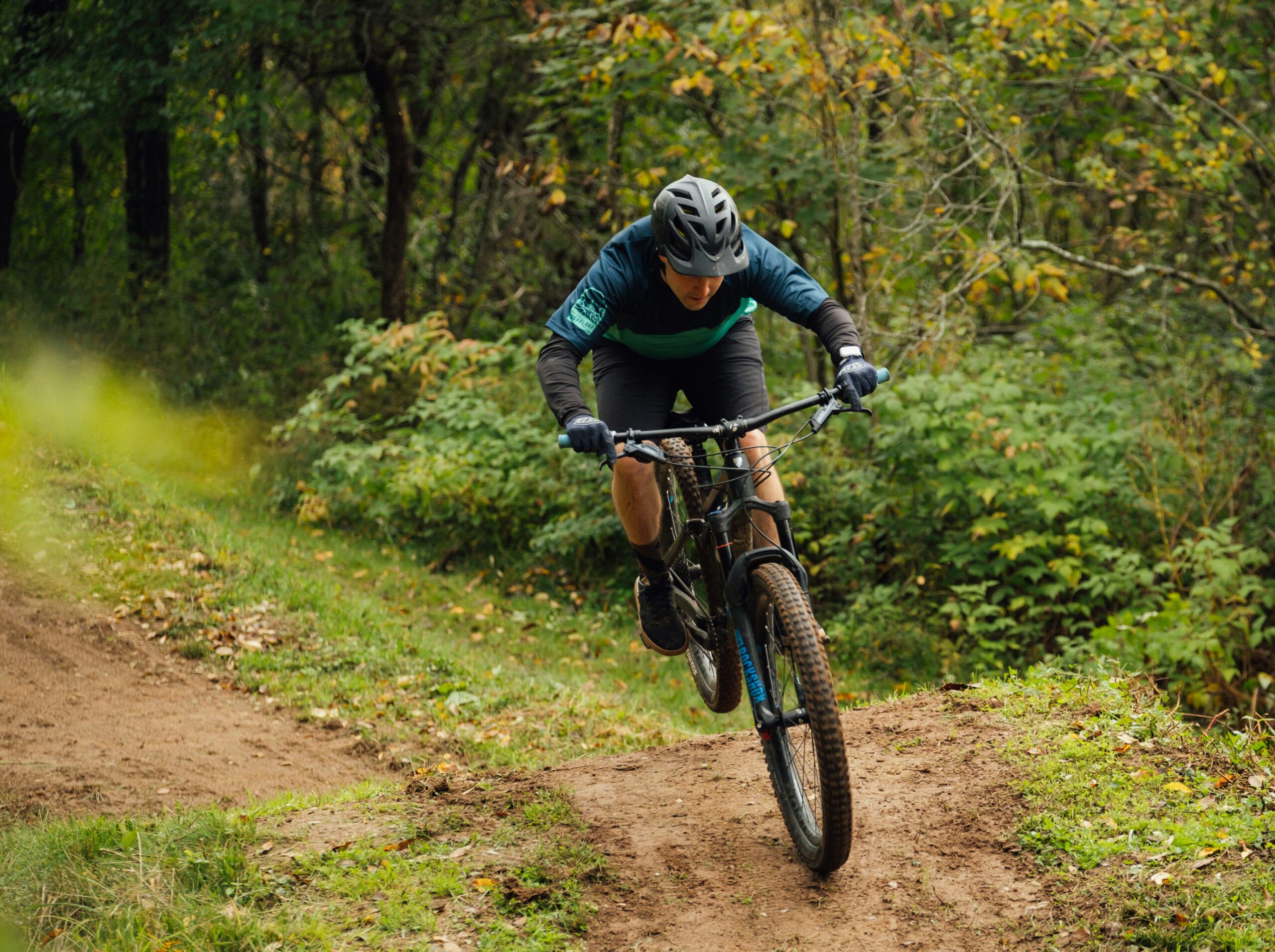
Mountain biking offers an exciting way to explore nature while improving strength, balance, and endurance. A quiet forest path can quickly turn into a challenging ride filled with rocks, roots, slopes, and sharp turns. That variety makes the sport enjoyable, but it also creates risks. Safe riding starts with preparation and continues with every decision you make on the trail.
You do not need to remove every challenge to stay safe. Instead, understand your surroundings, control your speed, and recognize your limits. Small habits can prevent many common accidents. Whether you are new to mountain biking or have years of experience, a thoughtful approach can help you enjoy the trail with greater confidence.
Prepare Yourself Before Every Ride
Good trail safety begins before your tires touch the dirt. Check the weather and learn about the trail you plan to ride. Rain can make rocks, roots, and wooden surfaces slippery. Strong winds may bring branches down across the path. Hot weather can also increase dehydration risk. Knowing the expected conditions helps you choose suitable clothing and decide whether the ride is appropriate.
Your physical condition matters as well. Avoid starting a difficult ride when you feel exhausted, sick, or unable to focus. Eat enough before riding and bring water for the journey. Longer rides may require food for extra energy. Tell someone where you are going when you plan to ride alone, especially in remote areas. Preparation gives you more options when unexpected problems occur.
Check Your Bike Before Hitting the Trail
A quick bike check can prevent a small mechanical issue from becoming a serious accident. Start by checking both tires. They should have enough air and no obvious cuts or damage. Test the brakes before leaving. They should respond smoothly and provide enough stopping power. Make sure the wheels turn properly, and nothing feels loose.
Pay attention to how the bike feels during the first few minutes of your ride. Strange sounds, poor braking, or unusual movement may signal a problem. Don’t ignore these signs just because you want to keep riding. Stop somewhere safe and inspect the bike. Fixing a minor issue early is much easier than dealing with a broken bike several miles into a trail.
Wear the Right Protective Equipment
A properly fitted helmet is one of the most important pieces of safety equipment for mountain biking. Wear it on every ride, even when the trail looks easy. Falls can happen on flat ground as well as steep sections. The helmet should sit securely on your head and should not move freely when you shake your head. Replace a helmet after a serious impact or when it shows signs of damage.
Other protective clothing can reduce impact from falls. Gloves improve grip and protect your hands. Eye protection helps keep dust, insects, branches, and small stones away from your eyes. Suitable shoes give you better control of the bike. Riders who explore rough or difficult trails may also benefit from knee and elbow protection. Choose equipment based on the trail type and the level of risk involved.
Ride at a Speed You Can Control
Speed can make mountain biking exciting, but riding too fast reduces your reaction time. A fallen branch, hidden rock, animal, or another rider can appear with little warning. Keep your speed low enough to stop safely within the distance you can clearly see. Slow down when visibility becomes limited.
Control becomes especially important on downhill sections and around turns. Avoid entering a corner faster than you can control. Brake smoothly instead of waiting until the last moment. Keep your attention on the path ahead rather than staring directly at the ground in front of your wheel. Looking farther ahead gives you more time to notice obstacles and choose a safe route around them.
Learn to Read Changing Trail Conditions
Trails rarely remain the same throughout an entire ride. A smooth section may suddenly become rocky. Dry dirt may turn into mud near a stream or shaded area. Tree roots can create uneven surfaces, while loose gravel can reduce your grip. Watch for these changes and adjust your riding style before you reach the difficult section.
Weather can also change a familiar trail. Heavy rain may create holes, wash away soil, or expose rocks that were previously covered. Fallen trees can block routes after storms. If a section looks unsafe, there is nothing wrong with getting off your bike and walking. Choosing to walk through a dangerous area is a practical safety decision, not a failure of riding ability.
Respect Other People on the Trail
Mountain biking trails may be shared with hikers, runners, other cyclists, and sometimes horseback riders. Stay alert for other trail users and give them enough space. Slow down when approaching people, especially when they may not know you are behind them. A friendly verbal warning or bike bell can help announce your presence without startling anyone.
Do not assume another person knows what you plan to do. Approach blind turns carefully and avoid passing unless you have enough room. When another rider needs to pass, move aside at a safe location instead of stopping suddenly in the middle of the trail. Respectful behavior reduces confusion and helps create a safer experience for everyone using the area.
Know Your Ability and Make Smart Decisions
One of the best safety skills is knowing when a trail is beyond your current ability. Difficult routes may include steep drops, narrow paths, large rocks, or technical sections that require more experience. There is no benefit in attempting an obstacle simply because another rider completed it. Build your skills gradually and choose trails that match your current confidence and control.
Fatigue can also change your ability during a ride. A section that feels easy at the beginning may become difficult after several hours of physical effort. Tired riders often react more slowly and make poorer decisions. Take breaks when necessary and turn back if your energy falls too low. Saving enough strength for the return journey is an important part of responsible trail planning.
Stay Focused on the Trail Around You
Mountain biking demands attention because conditions can change within seconds. Keep your eyes on the trail and avoid distractions while moving. Do not use your phone while riding. Music can also make it harder to hear approaching riders, wildlife, or warnings from other people. Staying aware of both visual and audible signals gives you more information about your surroundings.
Your focus should extend beyond obvious obstacles. Watch for changes in light, surface texture, and trail width. Shadows can hide rocks and holes, especially in wooded areas. If you lose concentration, stop in a safe place and rest. A short break can restore your attention and help you continue with better control.
Carry Basic Supplies for Unexpected Problems
Even a short ride can become longer than planned when something goes wrong. Carry enough water and basic supplies for the conditions. A small bike repair kit can help with common problems such as a flat tire. A charged phone can help you communicate when service is available. Longer or remote rides may require extra food and basic first-aid supplies.
Think about how long it would take to reach help if you had an accident. Remote trails may have poor phone coverage and few people nearby. Knowing the general route and nearby exit points can help during an emergency. When riding with friends, stay connected and avoid large gaps between riders. A group can provide valuable support when someone gets injured or experiences a mechanical problem.
Build Safe Habits for Long-Term Enjoyment
Mountain biking safety improves through consistent habits rather than a single precaution. Checking your bike, wearing protective equipment, controlling your speed, and paying attention to trail conditions should become normal parts of every ride. These habits allow you to focus more on enjoying the experience because you have already reduced many preventable risks.
Confidence grows naturally as your skills improve. Give yourself time to learn how your bike responds on different surfaces and conditions. Respect the trail, other users, and your own limits. Mountain biking will always involve some risk, but thoughtful decisions can reduce unnecessary danger. With preparation, awareness, and responsible riding, you can enjoy challenging trails while protecting yourself and the people around you.