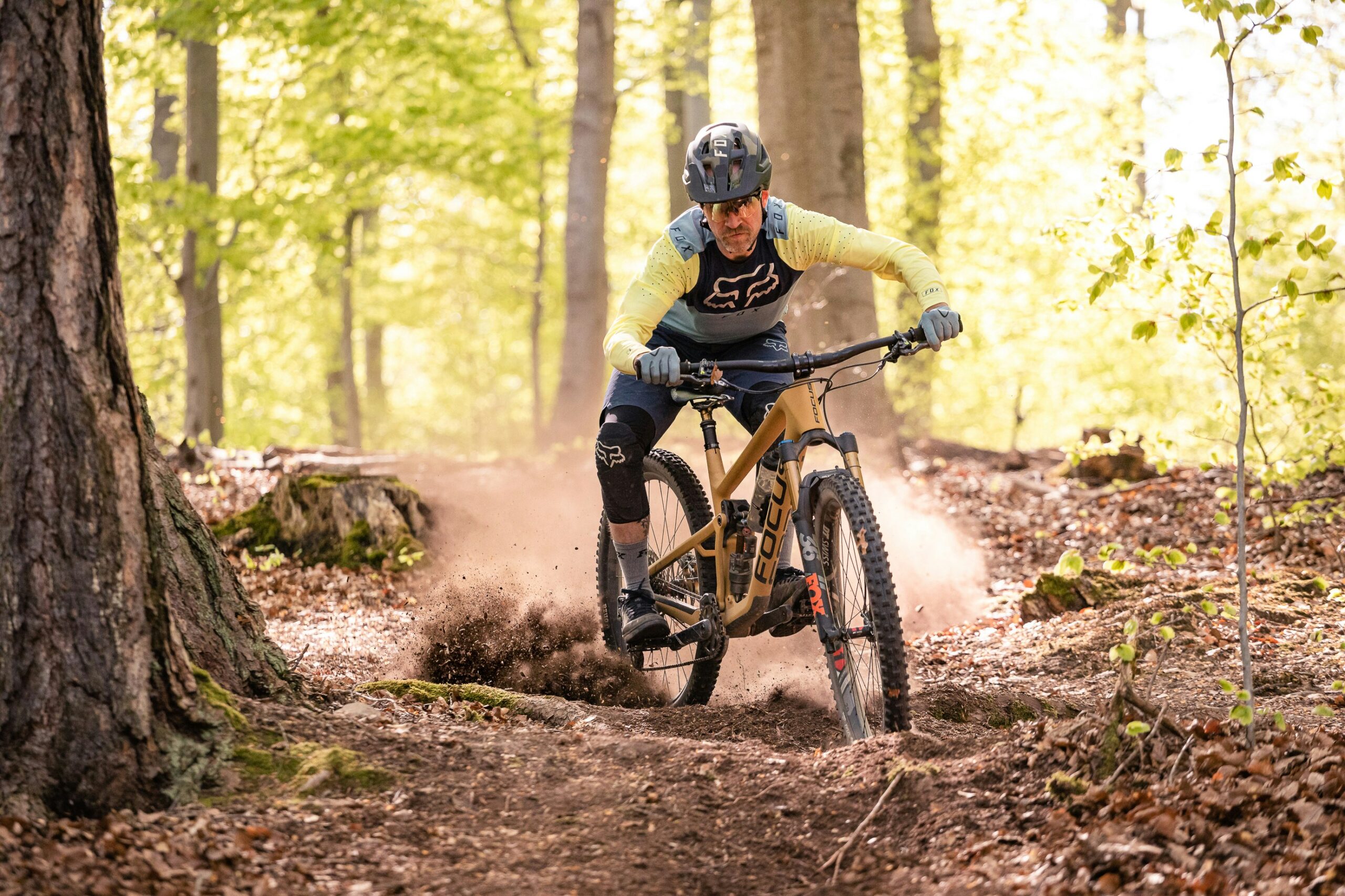
Mountain biking offers a mix of adventure, exercise, and time outdoors, but it also comes with real risks. Uneven ground, sharp turns, rocks, roots, steep slopes, changing weather, and other trail users can create dangerous situations. A safe ride starts with good judgment before your tires ever touch the trail.
Riders do not need to remove all risk to enjoy mountain biking. They need to understand the trail, control their speed, use proper equipment, and make decisions that match their skill level. Small safety habits can prevent many common crashes and help riders respond better when conditions change.
Choose a Trail That Matches Your Skill Level
Trail difficulty matters because not every route suits every rider. A beginner may struggle on a steep trail filled with drops, loose rocks, and sharp turns. That can increase stress and lead to poor decisions. Riders should start with routes that match their experience and gradually move to harder terrain as their skills improve.
It also helps to study the trail before starting. Learn the distance, elevation changes, surface conditions, and major technical sections. If a trail looks harder than expected, there is no reason to force the ride. Turning back or choosing another route is often the safest decision.
Inspect Your Bike Before Every Ride
A quick bike check can prevent problems on the trail. Check tire pressure, brakes, chain movement, pedals, handlebars, and wheels before leaving. Make sure nothing feels loose or damaged. Even a small mechanical issue can become dangerous when riding downhill or far from help.
Pay special attention to the brakes and tires. Strong brakes help riders control speed on steep sections, while properly inflated tires improve grip and stability. If anything feels unusual during the ride, stop and inspect the bike instead of ignoring the problem.
Wear Protective Gear That Fits Properly
A helmet is one of the most important pieces of mountain biking equipment. It should fit securely and sit level on the head. A loose helmet may shift during a crash and provide less protection. Riders should replace a helmet after a serious impact, even if the damage is not easy to see.
Gloves, eye protection, and suitable shoes also improve safety. Gloves can improve grip and protect the hands during a fall. Glasses help block dust, insects, and branches. Shoes with good traction help riders stay connected to the pedals and maintain better control over rough ground.
Control Your Speed on Difficult Terrain
Speed can make a small mistake much more serious. Riders should slow down before sharp turns, steep descents, blind corners, or technical sections. Braking early gives the bike more stability and creates extra time to react.
It is also important to ride at a speed that allows a complete stop within the visible trail ahead. A fallen branch, another rider, an animal, or a sudden drop may appear without warning. Riders who stay in control have more options when something unexpected happens.
Use Proper Body Position and Stay Relaxed
Good body position helps the bike move naturally over uneven terrain. Riders should keep a balanced stance, bend their elbows and knees slightly, and avoid becoming stiff. A relaxed position allows the body to absorb bumps instead of fighting every movement of the bike.
Looking ahead is just as important. Riders who stare directly at their front tire have less time to react. Keep the eyes focused farther down the trail and scan for rocks, roots, turns, and changes in surface. This habit improves balance and helps riders choose smoother lines.
Be Careful Around Corners and Other Trail Users
Mountain bike trails may also be used by hikers, runners, horseback riders, and other cyclists. Riders should expect to meet someone around a blind corner, especially on popular routes. Slowing down in areas with limited visibility reduces the chance of a collision.
Communication matters when passing. Give others enough notice and wait until there is enough space to move around safely. Courtesy also improves the experience for everyone. Riders should follow posted trail rules and respect any local right of way guidance.
Watch the Weather and Trail Conditions
Weather can change trail safety quickly. Rain can turn dry dirt into mud and make rocks or roots slippery. Strong wind can bring down branches, while extreme heat can increase the risk of dehydration and fatigue. Check the forecast before leaving and be ready to change plans.
Recent weather matters too. A trail may still be wet or damaged even when the current sky looks clear. Riding soft trails can also cause erosion and permanent damage. If the conditions are poor, choosing another route or postponing the ride protects both the rider and the trail.
Bring Enough Water and Energy
Mountain biking can use more energy than riders expect, especially on long climbs or technical routes. Dehydration and low energy can reduce concentration and make reaction times slower. Riders should carry enough water for the distance, temperature, and level of effort.
Food also matters on longer rides. Simple snacks can help maintain energy and focus. Riders should not wait until they feel exhausted before eating or drinking. Taking small amounts regularly can help prevent a sudden drop in performance.
Ride With a Plan in Case Something Goes Wrong
Every rider should think about what would happen after a crash, mechanical failure, or wrong turn. Carrying a charged phone, basic repair items, and a simple first aid kit can make a major difference. Riders should also know whether the route has phone service.
Tell someone where you plan to ride and when you expect to return, especially if you are going alone. This simple habit can help others respond if you do not come back as planned. On remote trails, riding with another person can provide valuable support during an emergency.
Learn How to Handle Common Trail Hazards
Rocks, roots, loose dirt, mud, and sudden drops are common on mountain bike trails. Riders should approach these features with controlled speed and steady movement. Sharp braking directly on loose or slippery surfaces can cause the tires to lose grip.
Practice helps riders manage these hazards safely. Skills such as controlled braking, cornering, climbing, and descending become easier with repetition. Riders should build these abilities on easier terrain before attempting more difficult features.
Know When Fatigue Is Affecting Your Riding
Tired riders often make poor decisions. Fatigue can reduce balance, slow reaction time, and make it harder to judge speed or distance. A rider who handled a technical section well at the start of the ride may struggle with the same section later.
Rest when concentration begins to fade. Drinking water, eating something, and taking a short break can help restore focus. If exhaustion continues, shorten the ride instead of pushing through a dangerous situation.
Build Safety Into Every Ride
Mountain biking safety comes from consistent habits. Choosing the right trail, checking equipment, wearing protection, managing speed, and staying alert all reduce risk. These habits become more valuable as riders move onto longer and more difficult routes.
Safe riding does not make mountain biking less exciting. It gives riders more confidence and helps them enjoy the sport for years. Respect the trail, know your limits, and make decisions that keep both control and awareness at the center of every ride.