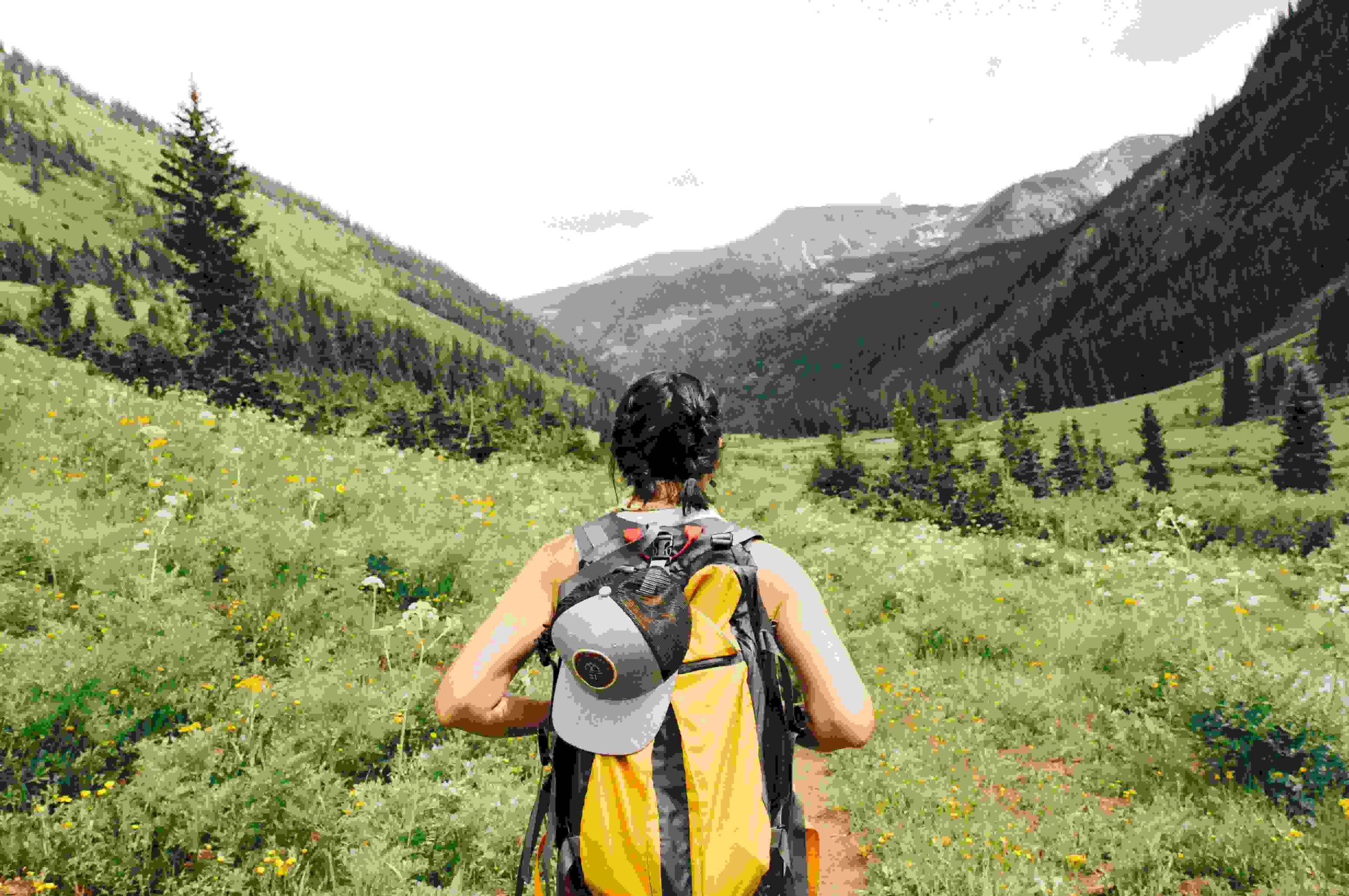
Solo travel offers an exciting opportunity to explore unfamiliar places, discover new interests, and develop personal confidence. Moreover, traveling independently allows people to create flexible schedules and enjoy experiences that reflect their preferences. However, successful adventures require thoughtful preparation, practical safety habits, and a willingness to adapt. By combining smart decisions with an adventurous mindset, modern travelers can enjoy meaningful journeys while protecting their personal well-being.
Prepare Carefully Before Starting Your Journey
Planning builds a strong foundation for safe, enjoyable independent travel. First, research your destination to understand local customs, transportation systems, weather conditions, and potential safety concerns. Additionally, review accommodation options and choose locations with reliable transportation access. Recent traveler reviews can help you identify comfortable neighborhoods and trustworthy services.
Also, organize essential documents before you leave. Keep digital copies of your passport, identification, reservations, and travel insurance information. Share your general itinerary with someone you trust and set up regular check-in plans. This helps you handle unexpected situations more effectively without sacrificing the freedom of independent exploration.
Choose Safe and Comfortable Accommodations
Finding suitable lodging plays an important role in building confidence during solo adventures. Therefore, prioritize accommodations with positive guest reviews, secure entrances, and convenient locations. Hotels, hostels, and guesthouses near public transportation can simplify daily activities while reducing unnecessary travel challenges.
Also, check the surrounding neighborhood before booking. Look for nearby restaurants, pharmacies, and transportation services that support everyday needs. When possible, arrive during daylight hours to get familiar with the area. As a result, choosing appropriate accommodations can improve comfort and create a more relaxing travel experience.
Build Confidence Through Smart Daily Decisions
Confidence develops when travelers understand their surroundings and make informed choices. For example, explore unfamiliar neighborhoods during daylight before planning evening activities. Pay attention to transportation routes, public landmarks, and reliable meeting points. Also, keep your phone charged and carry a portable battery to support communication in unexpected situations.
However, confidence should never replace awareness. Avoid displaying expensive belongings unnecessarily, and remain attentive in crowded areas. Trust your judgment when situations feel uncomfortable, and move toward safer public spaces when necessary. By practicing these habits consistently, independent travelers can explore confidently without taking unnecessary risks.
Manage Money and Personal Belongings Wisely
Financial preparation helps prevent stressful situations during independent trips. First, create a realistic budget that covers transportation, accommodations, meals, activities, and emergency expenses. Also, carry multiple payment options instead of relying on a single card. This approach provides flexibility when payment systems fail or unexpected costs arise.
Similarly, protect valuable belongings by distributing important items across secure locations. Keep essential identification and emergency funds accessible while storing extra documents safely. Also, avoid carrying too much cash while sightseeing. These simple precautions reduce financial risk and let travelers focus on enjoying their destinations.
Connect With Others While Maintaining Boundaries
Meeting new people can transform an ordinary journey into a memorable experience. For instance, joining guided tours, cultural workshops, or organized group activities creates opportunities for meaningful conversations. Additionally, interacting with residents can introduce travelers to regional traditions, authentic cuisine, and lesser-known attractions.
Nevertheless, maintaining personal boundaries remains essential when developing new connections. Avoid sharing sensitive personal information or detailed accommodation arrangements with unfamiliar individuals. Choose public locations for initial meetings and, when appropriate, share plans with trusted contacts. As a result, travelers can enjoy social experiences while protecting their privacy and independence.
Use Technology to Support Safer Adventures
Modern technology offers practical tools that simplify independent travel. For example, navigation applications help travelers identify routes, locate nearby attractions, and understand transportation options. Downloading offline maps can also provide useful guidance when internet connections become unreliable.
In addition, translation applications can reduce communication barriers in unfamiliar destinations. Travelers can also use official transportation applications, digital reservation platforms, and emergency contact features to improve convenience. However, technology should support practical judgment, not replace it. Therefore, learning basic local phrases and understanding transportation alternatives remain valuable travel skills.
Stay Flexible and Handle Unexpected Challenges
Unexpected situations are a natural part of exploring unfamiliar places. Flights may be delayed, attractions may close, and weather may disrupt scheduled activities. Instead of letting these challenges ruin the experience, travelers can prepare backup plans. Moreover, maintaining realistic expectations makes sudden adjustments easier to manage.
Similarly, remaining calm during difficulties encourages better decision-making. When transportation becomes confusing, ask authorized staff for assistance or consult reliable information sources. If plans change, prioritize personal safety over completing every scheduled activity. As a result, flexibility helps independent travelers stay confident and enjoy their adventures despite occasional setbacks.
Make Independent Travel a Rewarding Experience
Traveling independently combines freedom, responsibility, and opportunities for discovery. By researching destinations, choosing secure accommodations, managing finances, and maintaining awareness, travelers can reduce common risks. Flexible planning and meaningful social interactions can also make each journey more enjoyable.
Ultimately, successful solo travel does not require eliminating every uncertainty. Instead, it involves making thoughtful choices while remaining open to new experiences. With preparation, confidence, and curiosity, independent travelers can create lasting memories and return home with valuable lessons that extend far beyond the journey.
Create Meaningful Experiences Beyond Popular Attractions
Solo adventures provide valuable opportunities for personal discovery. Consider activities that reflect your interests rather than following every popular travel recommendation. Visiting museums, exploring nature trails, attending cultural performances, or enjoying local restaurants can create memorable experiences. Additionally, allowing unstructured time encourages spontaneous discoveries.
Furthermore, keeping a travel journal or capturing photographs can help preserve meaningful moments. Reflecting on new experiences often reveals personal strengths and changing perspectives. As travelers become more comfortable making independent decisions, they may develop stronger problem-solving skills and greater self-confidence. Ultimately, personal growth becomes one of the most rewarding aspects of traveling alone.