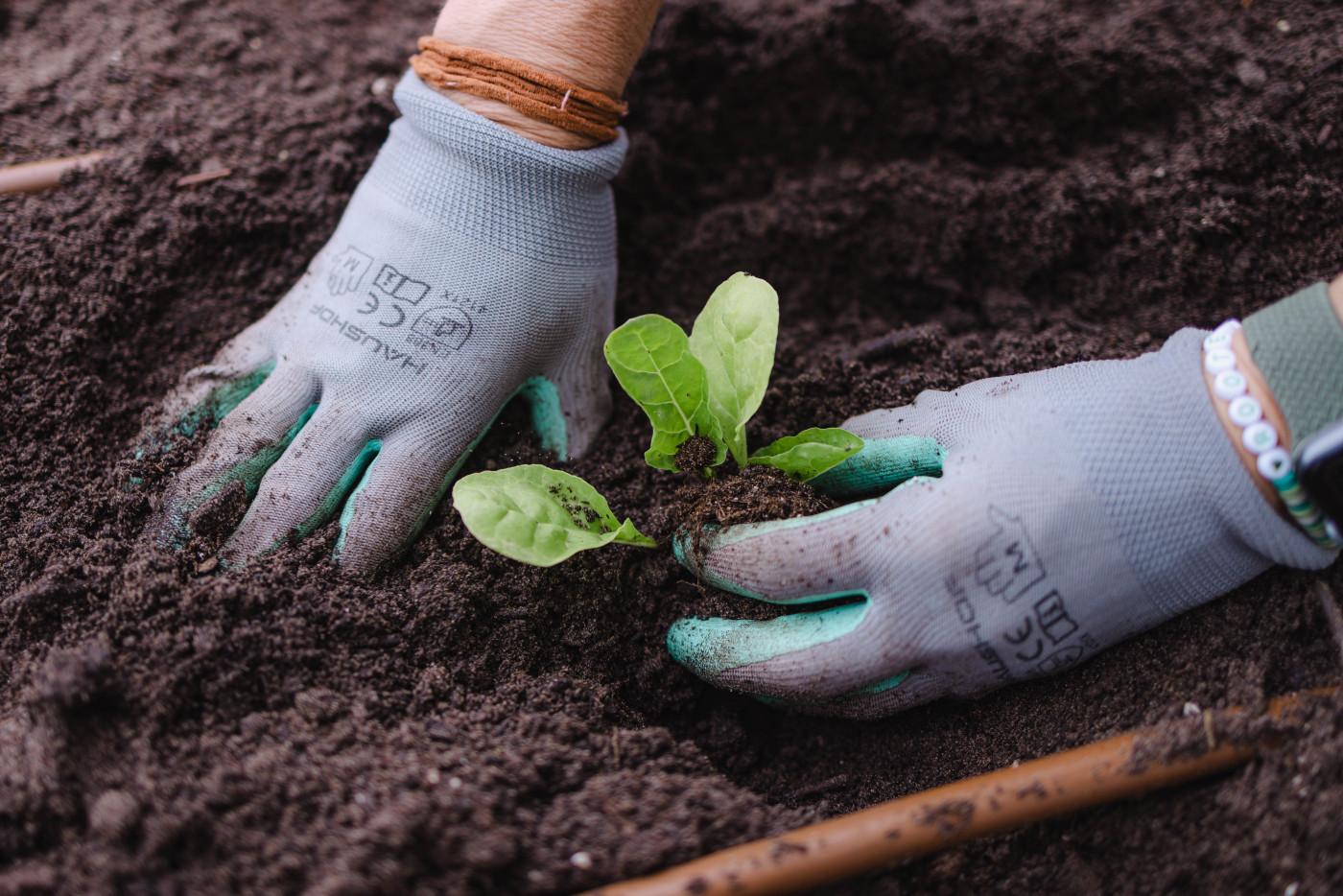
Healthy soil forms the foundation of every successful home garden. Whether you grow vegetables, flowers, or herbs, your plants depend on the soil for essential nutrients, moisture, and support. However, many gardeners struggle with poor soil quality, slow plant growth, and declining harvests. Fortunately, natural soil enrichment techniques can improve these conditions without relying on synthetic fertilizers or harsh chemicals. These methods help gardeners create a healthier growing environment while protecting the surrounding ecosystem.
Moreover, improving soil naturally does not require expensive equipment or advanced gardening skills. Simple practices such as composting, mulching, and planting cover crops can make a noticeable difference over time. By understanding how soil works and using organic materials wisely, home gardeners can support stronger roots, healthier plants, and more productive gardens. The following techniques offer practical ways to build fertile soil and maintain its quality throughout the growing season.
Understanding the Importance of Healthy Garden Soil
Healthy garden soil contains a balanced mixture of minerals, organic matter, water, air, and living organisms. These components work together to support plant growth. For example, organic matter helps the soil retain moisture and nutrients, while tiny organisms break down natural materials into forms that plants can absorb. As a result, plants growing in healthy soil often develop stronger roots and better resistance to environmental stress.
Additionally, good soil structure allows water and air to move freely around plant roots. Compacted soil can prevent proper drainage and limit root development. Therefore, gardeners should observe how their soil behaves after watering or rainfall. Soil that remains soggy, becomes extremely hard, or dries too quickly may need improvement. Understanding these conditions helps gardeners choose suitable natural enrichment methods.
Improving Soil Fertility With Homemade Compost
Composting offers one of the easiest ways to enrich garden soil naturally. Gardeners can transform vegetable scraps, dry leaves, grass clippings, and other suitable organic materials into valuable compost. During decomposition, microorganisms break down these materials and create a dark, crumbly substance. This finished compost improves soil structure, increases moisture retention, and provides a gradual supply of nutrients for growing plants.
Furthermore, homemade compost reduces household waste and supports sustainable gardening practices. Gardeners should combine moist materials, such as vegetable scraps, with dry materials, such as fallen leaves and shredded cardboard. Turning the pile occasionally and maintaining moderate moisture encourages decomposition. Once the compost becomes dark and earthy, gardeners can spread it over garden beds or gently mix it into the upper soil layer.
Using Organic Mulch to Protect and Nourish Soil
Organic mulch provides a protective covering that supports healthier soil conditions. Materials such as shredded leaves, untreated wood chips, straw, and dried grass clippings help reduce moisture loss and regulate soil temperature. Moreover, mulch limits weed growth by blocking sunlight from reaching unwanted seedlings. This protection allows garden plants to access more available moisture and nutrients without competing heavily with surrounding weeds.
As organic mulch gradually decomposes, it also contributes valuable organic matter to the soil. However, gardeners should apply mulch carefully to avoid creating problems. A layer approximately two to three inches deep works well for many garden beds. Leave a small open space around plant stems to prevent excess moisture buildup. With regular maintenance, organic mulch can improve soil conditions throughout the growing season.
Growing Cover Crops to Restore Soil Nutrients
Cover crops help gardeners protect and improve soil during periods when regular vegetables or flowers are not growing. Plants such as clover, rye, and field peas can cover exposed ground and reduce erosion. Their roots also help maintain soil structure and support biological activity. Consequently, cover crops offer a natural way to strengthen garden beds between planting seasons.
Some cover crops, particularly legumes such as clover and field peas, work with beneficial bacteria to capture nitrogen from the atmosphere. This process can contribute nitrogen to the growing system. However, the amount available to later crops depends on how gardeners manage the plants and their remains. Gardeners can cut cover crops before they produce mature seeds and allow the plant material to decompose. This practice adds organic matter and supports long-term soil fertility.
Encouraging Earthworms and Beneficial Soil Organisms
Earthworms play an important role in maintaining fertile garden soil. As they move underground, they create small channels that improve air circulation and water movement. They also consume decaying organic materials and release nutrient-containing waste called castings. Therefore, gardens with active earthworm populations often benefit from improved soil structure and natural nutrient recycling.
Similarly, beneficial bacteria and fungi help plants access nutrients and support healthy root development. Gardeners can encourage these organisms by adding compost, maintaining proper soil moisture, and reducing unnecessary digging. Avoiding excessive pesticide use also helps protect soil life. Over time, these simple habits create a more balanced underground environment where plants and beneficial organisms can thrive together.
Adding Natural Soil Amendments for Better Growth
Natural soil amendments can improve growing conditions when gardeners choose them according to actual soil needs. For instance, finished compost supports overall soil quality, while aged animal manure can add organic matter and nutrients. Gardeners should use properly composted manure from suitable sources and follow safe handling practices, especially when growing edible crops. Fresh manure may contain harmful microorganisms and can damage sensitive plants.
In addition, a soil test can reveal nutrient shortages and unsuitable acidity levels. This information helps gardeners avoid adding unnecessary materials. Agricultural lime can raise soil pH when testing shows that the ground is too acidic. Meanwhile, certain mineral amendments may address specific nutrient shortages. Choosing amendments based on test results protects plant health and prevents excessive nutrient buildup.
Preventing Soil Compaction Through Better Gardening Habits
Soil compaction occurs when pressure squeezes soil particles together and reduces the spaces between them. Heavy foot traffic, repeated equipment use, and working wet soil can increase this problem. Consequently, compacted ground may prevent roots from spreading and limit the movement of water and oxygen. Home gardeners can reduce these risks by creating designated walking paths and avoiding unnecessary pressure on planting areas.
Raised beds also offer a practical solution for protecting soil structure. Gardeners can reach plants without stepping directly onto the growing surface. Additionally, spreading compost and maintaining organic mulch can gradually improve soil texture. Avoid digging when the soil is excessively wet, since disturbance can damage its structure. These habits help preserve loose, workable soil that supports healthy root growth.