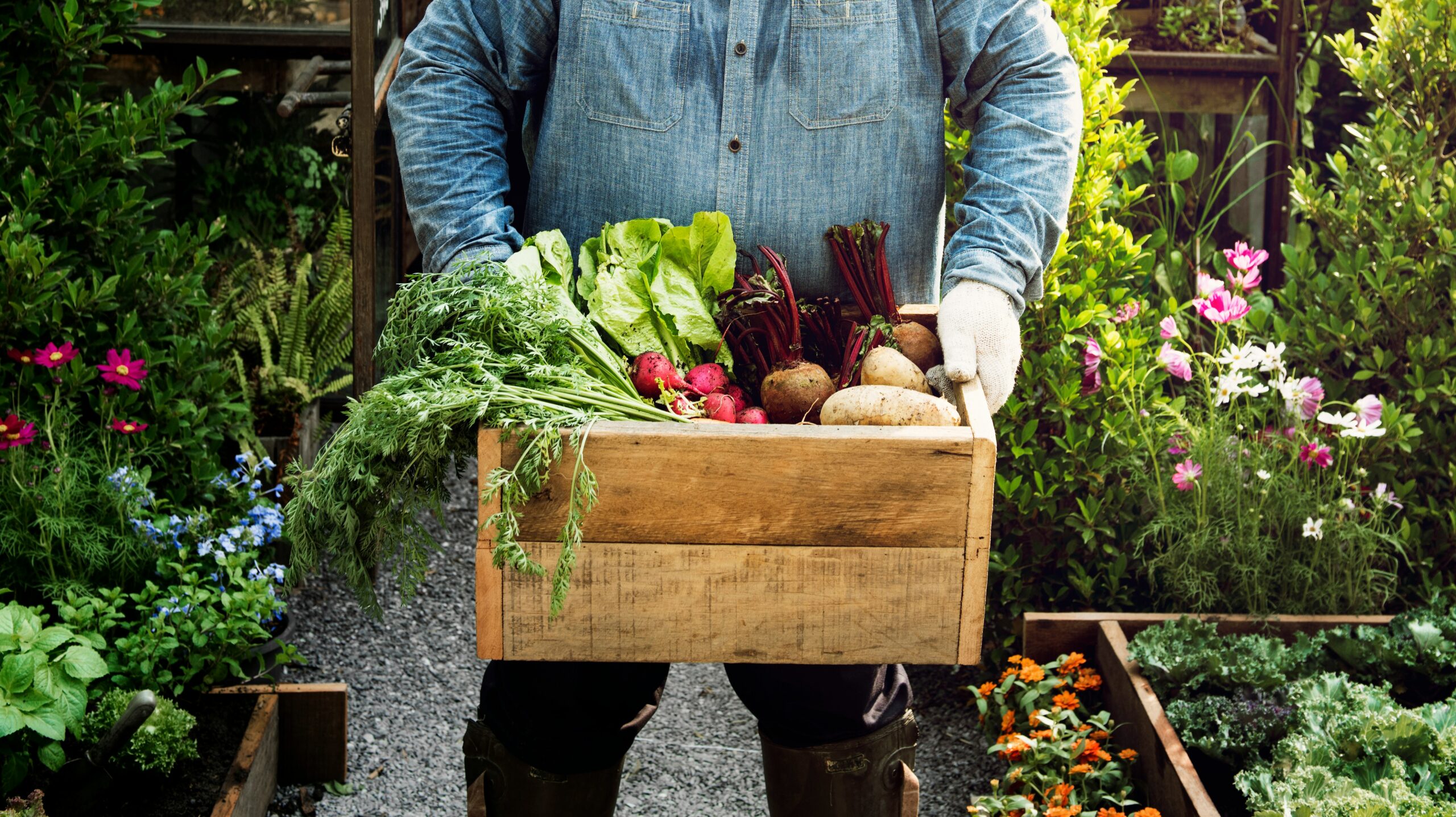
Organic gardening gives you a simple way to grow fresh food and healthy plants at home. It also helps you avoid synthetic pesticides, weed killers, and harsh fertilizers. Instead of relying on chemicals, you improve the soil, care for plants naturally, and create a garden that supports insects, birds, and other helpful life.
A healthy organic garden does not need to be large or complicated. You can grow vegetables, herbs, flowers, and fruit in a backyard, raised bed, or small group of containers. The key is to build strong growing conditions from the beginning. Good soil, proper watering, healthy plants, and regular care can reduce many common garden problems before they become serious.
Choose the Right Place for Your Garden
Start with a location that receives enough sunlight. Most vegetables need at least six hours of direct sunlight each day. Tomatoes, peppers, beans, and cucumbers often perform better with even more. Watch your yard for a few days before you plant. Notice where sunlight falls in the morning and afternoon. This simple step can help you avoid weak growth later.
You should also look at drainage and access to water. Avoid areas where rainwater stays on the ground for long periods. Roots need moisture, but they also need air. Soil that stays soaked can damage plants. Place the garden close enough to a water source so regular care feels easy. A convenient garden usually receives more attention, which helps plants stay healthier.
Build Healthy Soil Before You Plant
Healthy soil creates the foundation for an organic garden. Plants depend on soil for water, nutrients, air, and support. Before planting, remove weeds and loosen hard ground. Break apart large clumps and take out stones or debris that could block root growth. You do not need perfect soil on the first day. You can improve it gradually.
Compost is one of the best materials for building better soil. It contains broken-down organic matter that can improve texture and fertility. Mix finished compost into the top layers of garden soil before planting. You can also add compost around established plants later. Over time, organic matter helps the soil hold moisture while still allowing excess water to drain.
Select Strong Plants for Your Climate
Choose vegetables, herbs, and flowers that grow well in your local conditions. Plants struggle when the temperature, light, or season does not suit them. Read seed packets and plant labels carefully. Look at planting dates, sunlight needs, mature size, and harvest time. Matching plants to the season can make organic gardening much easier.
You can also choose varieties with natural resistance to common plant diseases. Healthy seedlings should have firm stems and clean leaves. Avoid plants with yellow spots, heavy insect damage, or weak growth. A strong plant has a better chance of adapting after transplanting. This reduces stress and can help it handle pests without constant treatment.
Water Plants Deeply and Carefully
Water plays a major role in plant health, but more water does not always mean better growth. Check the soil before you water. If it still feels moist below the surface, you may not need to add more. Plants in containers often dry faster than plants in garden beds, so you may need to check them more often during hot weather.
When plants need water, apply it slowly near the soil. Deep watering encourages roots to grow deeper into the soil. Stronger roots can help plants handle warm and dry periods. Morning is often a good time to water because temperatures are cooler. Watering near the base also keeps leaves drier, which may reduce certain plant diseases.
Control Weeds Without Harsh Products
Weeds compete with garden plants for water, sunlight, nutrients, and space. The easiest way to control them naturally is to remove them while they are small. Pull weeds after rain or watering when the soil feels softer. Try to remove the root when possible. Regular attention keeps weeds from spreading and producing more seeds.
Mulch can also reduce weed growth. Spread shredded leaves, straw, untreated grass clippings, or similar natural material around established plants. Mulch blocks light from reaching many weed seeds. It also slows water loss from the soil. Leave a little space around stems so moisture does not remain trapped directly against the plant.
Manage Garden Pests Naturally
Not every insect in your garden causes harm. Bees help pollinate flowers. Ladybugs and lacewings may feed on insects that damage plants. Spiders also help control many small garden pests. Before you remove an insect, try to identify it. A healthy garden usually contains a wide range of living creatures.
Check plants several times each week. Look under leaves, around stems, and near new growth. If you find a small pest problem, remove affected insects by hand or trim badly damaged leaves. You can also use lightweight covers or garden netting when needed. Early action often prevents small problems from becoming serious without using synthetic pesticides.
Feed Plants With Natural Materials
Plants need nutrients as they grow, but you do not have to rely on synthetic fertilizers. Compost can provide steady nutrition while improving the soil. You can add a thin layer around plants during the growing season. Worm castings and properly aged manure can also support plant growth when used correctly.
Avoid feeding plants more than they need. Too much fertilizer can create weak growth or reduce fruit production in some crops. Watch how your plants respond. Healthy leaves, steady growth, and good flowering usually show that the plant has access to enough nutrients. If you are unsure about your soil, a basic soil test can help you make better decisions.
Encourage Helpful Insects and Pollinators
A chemical-free garden becomes stronger when it supports helpful insects. Bees, butterflies, hoverflies, ladybugs, and other useful visitors can improve pollination or reduce pest numbers. You can attract them by growing different flowers near your vegetables. Choose plants that bloom at different times so insects can find food throughout the season.
Avoid spraying every insect you see. Broad treatments can harm useful species along with unwanted pests. Instead, focus on balance. A garden with flowers, herbs, vegetables, and natural shelter often becomes more active and diverse. That diversity can help create a healthier growing space over time.
Keep the Garden Clean and Well Maintained
Regular care can prevent many common problems. Remove fallen fruit, damaged vegetables, and badly diseased leaves. Do not allow weeds to take over empty spaces. Check plants often so you notice changes quickly. A few minutes of attention several times a week can save much more work later.
Clean garden tools after working around diseased plants. You should also remove unhealthy plant material at the end of the growing season. If you grow vegetables in the same beds each year, try changing where you plant different crop families. These simple habits can reduce repeated pest and disease problems.
Learn From Every Growing Season
Organic gardening improves with experience. One season may bring heavy rain, while another may be hot and dry. Some vegetables may grow well in one part of the yard and struggle in another. Pay attention to these differences. They can help you make smarter choices the next time you plant.
Keep simple notes about planting dates, harvests, pests, weather, and successful varieties. You do not need a detailed journal. A few useful observations can show patterns over time. As your soil improves and your knowledge grows, the garden often becomes easier to manage.