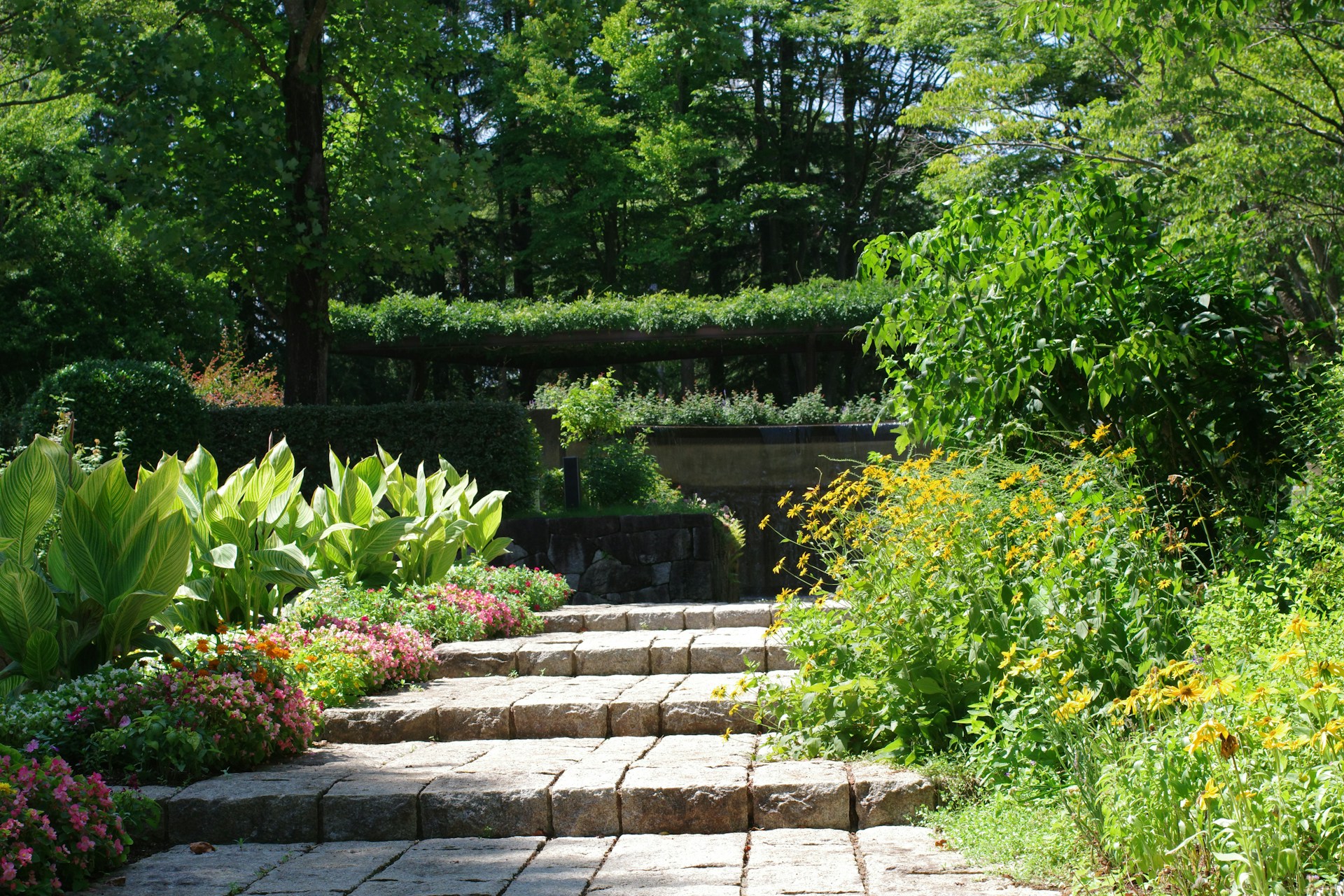
Creating an attractive yard does not have to come at the expense of the environment. In fact, thoughtful planning can help you build a landscape that looks great while conserving water, supporting wildlife, and reducing maintenance. More homeowners now see the value of eco-friendly landscaping because it combines beauty with long-term sustainability. Whether you have a small backyard or a large property, making smart design choices can transform your outdoor space into a healthier and more enjoyable place.
Start With Plants That Belong Naturally
The best landscapes often begin with plants that naturally grow in your local climate. Native flowers, shrubs, and trees usually require less water and fewer chemical treatments because they are already adapted to the environment.
In addition, native plants attract birds, butterflies, bees, and other helpful pollinators. As these visitors return year after year, your yard becomes a thriving ecosystem instead of just a collection of decorative plants. This approach also saves time because native species generally need less attention.
Save Water Through Smarter Choices
Water conservation is one of the biggest benefits of sustainable landscaping. Instead of watering every day, choose drought-tolerant plants that stay healthy with less moisture. Grouping plants with similar watering needs also improves efficiency.
Furthermore, adding mulch around trees and flower beds helps the soil retain moisture while reducing weed growth. A drip irrigation system delivers water directly to plant roots, minimizing waste and helping your landscape stay healthy during dry seasons.
Build Healthy Soil From the Ground Up
Healthy soil supports healthy plants. Before adding new flowers or shrubs, take time to improve the soil with compost or other natural organic matter. Rich soil provides nutrients while improving drainage and water retention.
Kitchen scraps, grass clippings, and fallen leaves can all become valuable compost instead of ending up in the trash. Over time, this simple habit creates stronger plants and reduces the need for synthetic fertilizers, making your garden healthier and more productive.
Add Natural Features With Lasting Value
Hardscape elements should work with nature rather than against it. Stone pathways, wooden seating areas, and permeable pavers allow rainwater to soak into the ground instead of running off into storm drains.
Many homeowners also include native garden design when planning patios or walkways. Combining natural materials with regional plants creates a balanced appearance that blends beautifully with the surrounding environment. As a result, the landscape feels welcoming while remaining practical throughout the year.
Welcome Wildlife Into Your Yard
A sustainable landscape benefits more than just people. Birds, butterflies, bees, and other wildlife depend on healthy outdoor spaces for food and shelter. Planting flowering species that bloom throughout the seasons provides a reliable source of nectar and pollen.
You can also install birdhouses, small water features, or pollinator gardens to encourage wildlife to visit. These additions create a lively outdoor space while helping local ecosystems remain healthy and diverse.
Reduce Waste With Simple Practices
Many landscaping projects create unnecessary waste, but a few smart habits can make a big difference. Reusing stones, wood, or bricks from older projects reduces landfill waste while adding character to your yard.
Likewise, grass clippings and leaves can stay in the landscape instead of being thrown away. They naturally break down and return valuable nutrients to the soil. This simple approach lowers maintenance costs and supports healthier plant growth over time.
Plan Outdoor Spaces That Grow Gracefully
A successful landscape should look good today while continuing to improve over the years. Therefore, consider how trees, shrubs, and flower beds will grow before planting them. Giving plants enough space prevents overcrowding and reduces future maintenance.
It also helps to divide your yard into areas with different purposes. A quiet seating space, a pollinator garden, and a small vegetable bed can work together without competing for resources. Careful planning creates a landscape that remains attractive and functional through every season.
Enjoy Long-Term Benefits Every Season
One of the greatest rewards of sustainable landscaping is its lasting value. By following water-wise gardening practices, you can lower water bills, reduce maintenance, and create a healthier outdoor environment. Small improvements made today often provide benefits for many years, making your investment worthwhile while protecting natural resources.
Sustainable landscaping is not about creating a perfect yard overnight. Instead, it is about making thoughtful choices that benefit both your home and the environment. As you continue adding native plants, improving soil, and conserving water, your landscape will become more beautiful, resilient, and enjoyable with each passing season. Every small step contributes to a greener future while creating an outdoor space you can truly appreciate.