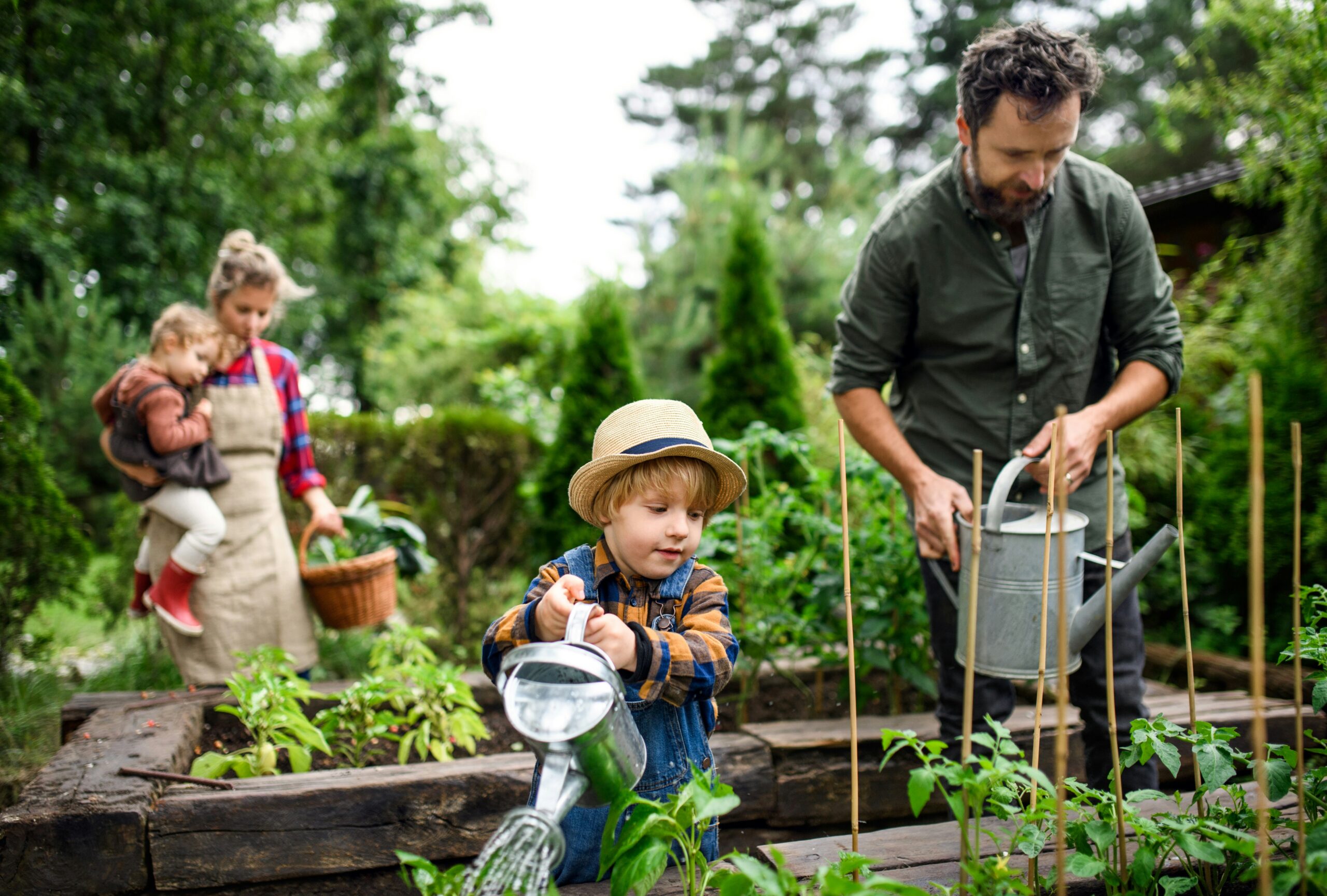
Starting a vegetable garden at home is a wonderful way to enjoy fresh food, spend time outdoors, and create a healthier lifestyle. Growing your own vegetables gives you a better understanding of where your food comes from and lets you enjoy fresh, carefully grown produce. A garden can also become a peaceful place where you relax, learn new skills, and connect with nature.
Many beginners think gardening is difficult or requires a large yard and years of experience. However, anyone can start a vegetable garden with simple planning and regular care. You only need a suitable space, healthy soil, the right plants, and a willingness to learn. Small steps can lead to a productive garden that provides fresh vegetables and lasting satisfaction.
Choose the Right Space for Your Garden
The first step in creating a vegetable garden is finding the right location. Most vegetables need plenty of sunlight because light helps plants grow strong and produce healthy crops. Look for an area that receives several hours of direct sunlight each day. A backyard, balcony, patio, or small outdoor space can work well if it provides enough light.
You should also choose a location that is easy to reach and maintain. A garden close to your home makes it easier to water plants, remove weeds, and check for problems. When your garden is convenient to access, you are more likely to provide regular care. A good location creates a strong foundation for successful vegetable growing.
Prepare Healthy Soil Before Planting
Healthy soil plays a major role in the growth of vegetables. Plants need soil that provides nutrients, holds moisture, and allows roots to grow properly. Before planting, remove weeds, rocks, and other unwanted materials from the area. Loosen the soil so that plant roots can spread easily and receive enough support.
Adding compost or natural materials can improve the quality of your soil. These materials help provide nutrients and create better conditions for plant growth. Good soil should stay moist but should not remain too wet. Taking time to prepare your soil before planting helps create a healthier environment for your vegetables.
Select Vegetables That Are Easy to Grow
Choosing the right vegetables is important for beginners. Some plants are easier to grow and require less experience, making them great choices for a first garden. Vegetables such as tomatoes, lettuce, carrots, beans, cucumbers, and peppers are popular because they grow well in many home gardens.
It is also important to choose vegetables that you enjoy eating. A garden becomes more rewarding when you can use the produce in your daily meals. Consider your available space and local growing conditions before planting. Choosing suitable vegetables increases your chances of success and helps you enjoy the gardening process.
Create a Simple Garden Plan
A basic garden plan helps you use your space effectively. Before planting, think about how much room each vegetable needs to grow. Some plants spread widely, while others stay smaller. Giving plants enough space improves airflow and helps them receive enough sunlight. A well-planned garden is easier to manage and maintain.
You should also consider how different plants grow over time. Some vegetables mature quickly, while others need more time before harvest. Combining different types of plants can help you enjoy fresh vegetables throughout the growing season. A simple plan keeps your garden organized and allows you to care for each plant properly.
Provide Water and Regular Care
Watering is one of the most important parts of vegetable gardening. Plants need enough water to grow, but too much water can create problems. Check the soil regularly to understand when your plants need moisture. Deep watering often helps roots grow stronger and supports healthier plants.
Regular care keeps your garden in good condition. Remove weeds that compete with your vegetables for nutrients and water. Check your plants often for signs of insects or disease. Simple actions, such as keeping the garden clean and observing plant changes, can prevent many common problems and support better growth.
Protect Your Vegetables Naturally
Every garden faces challenges, including pests, changing weather, and plant diseases. These issues are normal, especially for beginners. The best way to protect your garden is to maintain healthy growing conditions. Strong plants with good soil and proper care are better able to handle challenges.
Natural methods can help keep your garden healthy. Keeping enough space between plants improves airflow and reduces the chance of problems. Removing damaged leaves and encouraging helpful insects can also support plant health. A balanced approach allows you to protect your vegetables while creating a safer growing environment.
Learn the Best Time to Harvest
Harvesting your vegetables at the right time improves their taste and quality. Each vegetable has different signs that show when it is ready. Some become sweeter when harvested at the right stage, while others become less enjoyable if left too long. Learning these signs helps you get the best results from your garden.
Harvesting also gives you a sense of achievement. Seeing the vegetables you grew from seeds or small plants provides a special reward. It encourages you to continue gardening and improve your skills. Every harvest teaches you more about plant growth and helps you become a better gardener.
Continue Improving Your Garden Skills
Gardening is a learning process that becomes easier with experience. Your first garden may not be perfect, but every season provides valuable lessons. You will learn which plants grow best, how your soil behaves, and what care methods work well. These experiences help you improve your garden over time.
As you gain confidence, you can try new vegetables and expand your growing space. You may experiment with different planting methods or create a larger garden area. The important thing is to continue learning and enjoying the process. A successful garden develops through patience, effort, and consistent care.
Starting a vegetable garden is a simple way to grow fresh food and create a healthier connection with nature. You do not need advanced skills or a large space to begin. By choosing the right location, preparing healthy soil, selecting suitable plants, and providing regular care, you can build a productive home garden.
A vegetable garden offers more than fresh produce. It creates a relaxing hobby, teaches patience, and brings a sense of accomplishment. With time and dedication, your small garden can become a valuable part of your home and lifestyle. Growing your own food starts with one simple step: planting the first seed.