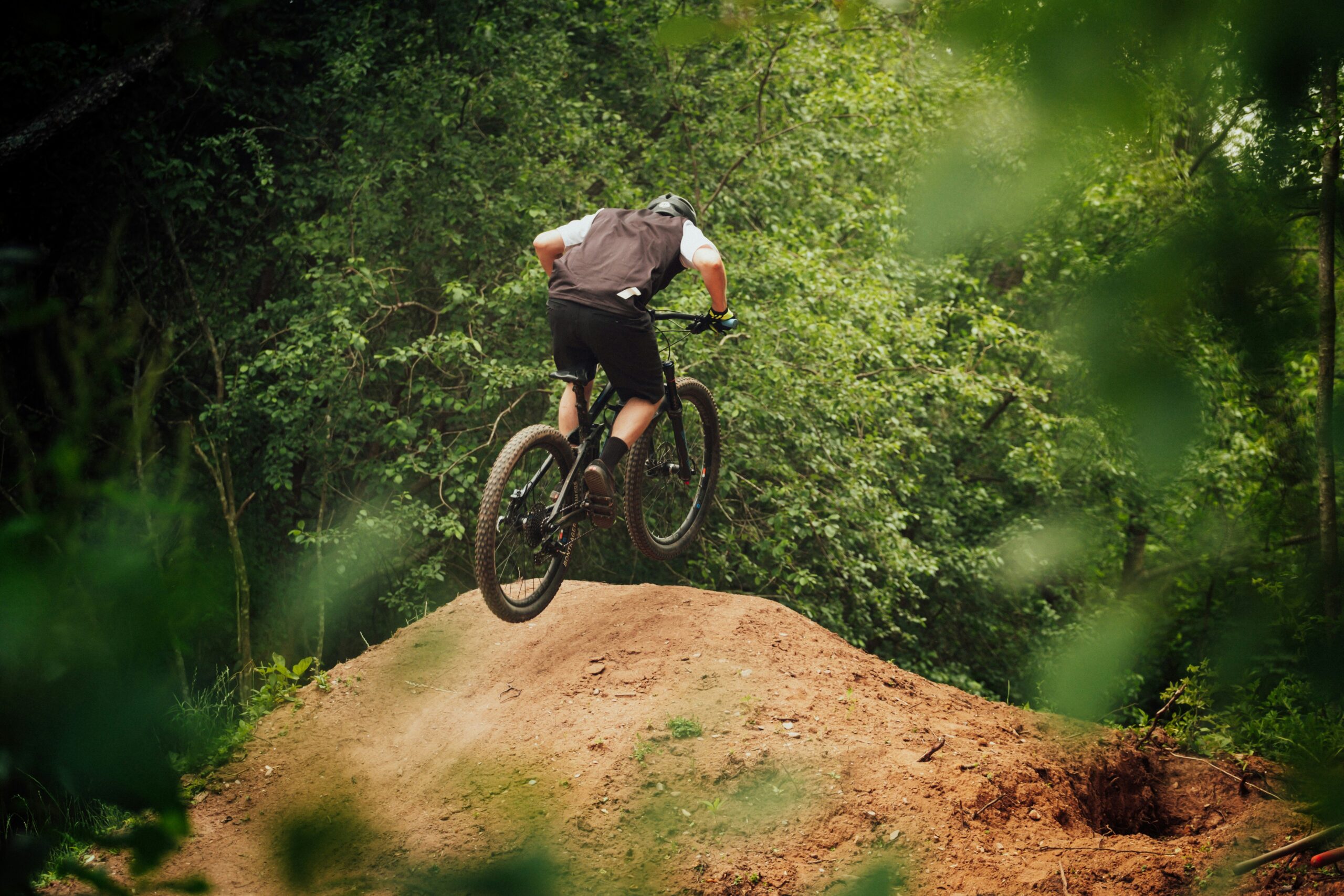
Mountain biking offers an exciting way to explore nature, challenge yourself, and enjoy the outdoors. However, every trail brings unique risks, from uneven terrain and sharp turns to changing weather conditions. Therefore, understanding mountain biking safety is essential for riders of all experience levels. Whether you are a beginner learning basic skills or an experienced cyclist exploring advanced trails, smart preparation can help prevent injuries and create a more enjoyable ride.
Safety does not mean avoiding adventure. Instead, it means building the right habits, using proper equipment, and making thoughtful decisions while riding. With the right approach, mountain bikers can confidently explore new trails while protecting themselves and others.
Choose Trails That Match Your Experience Level
One of the most important safety decisions happens before you even start riding. Choosing a trail that fits your ability level helps you avoid unnecessary challenges and dangerous situations. Many trail systems use difficulty ratings to guide riders, so always check the trail information before starting your ride.
For beginners, smoother trails with fewer obstacles provide a better learning environment. These paths allow riders to practice braking, turning, and balance without facing extreme challenges. On the other hand, advanced riders may enjoy technical routes with rocks, roots, and steep climbs.
Additionally, riders should consider their fitness level and comfort with different terrain. A trail that looks manageable on a map may feel much harder after several miles of climbing. Therefore, selecting the right route helps create a safer and more enjoyable mountain biking experience.
Wear the Right Protective Gear Every Time
Proper protective equipment plays a major role in reducing injuries. Even experienced riders can make mistakes, encounter unexpected obstacles, or lose control on difficult sections of a trail. Because accidents can happen quickly, wearing the right gear should become a regular habit.
A quality helmet is the most important piece of safety equipment. It helps protect your head during falls and collisions. Furthermore, many riders choose additional protection, such as gloves, knee pads, elbow pads, and protective eyewear.
Comfort also matters because uncomfortable gear can distract you while riding. For example, gloves can improve grip and reduce hand fatigue during long rides. Similarly, glasses can protect your eyes from dust, branches, and flying debris. Investing in reliable mountain biking gear improves both safety and confidence on the trail.
Inspect Your Bike Before Hitting the Trail
A quick bike check can prevent many common problems during a ride. Before leaving, take a few minutes to inspect important parts and make sure everything works properly.
Start by checking your tires for proper pressure and visible damage. Next, test your brakes to confirm they respond quickly and smoothly. Also, check your chain, gears, and suspension if your bike includes these features.
Additionally, carrying basic repair tools can help you handle minor issues. A small repair kit with a pump, tire levers, spare tube, and multi-tool can be extremely useful. For longer rides, these items may help you avoid being stranded far from the trailhead.
Improve Your Riding Skills Through Practice
Good riding skills are one of the best forms of protection on the trail. While equipment helps, your ability to control your bike plays an even bigger role in staying safe.
Practice basic techniques in a controlled area before attempting difficult trails. For instance, learn how to brake smoothly, shift your weight, and handle tight turns. These skills help you react better when you face unexpected obstacles.
Moreover, experienced riders continue practicing because mountain biking requires constant adjustment. Trails change, conditions shift, and new challenges appear. Therefore, improving your technique over time helps you ride with greater control and awareness.
Understand Trail Etiquette and Respect Others
Mountain biking trails often include hikers, runners, and other cyclists. Because everyone shares the same space, following trail etiquette keeps the environment safer for all users.
Always stay aware of your surroundings and control your speed when approaching others. For example, slow down before blind corners because another rider or trail user may appear suddenly. Additionally, communicate clearly when passing someone by using a friendly signal or warning.
Respecting the trail also protects the natural environment. Avoid riding on closed paths, damaging vegetation, or creating unnecessary erosion. Responsible riding helps preserve trails so everyone can enjoy them in the future.
Prepare for Weather and Changing Trail Conditions
Weather can quickly affect trail safety. A dry path may become slippery after rain, while extreme heat can increase the risk of dehydration and fatigue. Therefore, checking conditions before your ride is an important safety step.
Bring enough water, especially for longer adventures. In addition, pack snacks to maintain your energy during extended rides. Weather-appropriate clothing also makes a difference because temperatures can change throughout the day.
Furthermore, avoid riding trails that are unsafe after heavy rainfall. Wet conditions can create slippery surfaces and damage the trail. Waiting for better conditions protects both you and the trails you enjoy.
Know How to Handle Emergencies on the Trail
Even with careful preparation, accidents can still occur. Knowing how to respond during an emergency can make a significant difference.
First, stay calm and assess the situation. If you experience a minor injury, use your first aid supplies and decide whether you can safely continue. However, serious injuries require immediate help, so avoid pushing yourself when conditions are unsafe.
Learning basic first aid skills can benefit every rider. Additionally, riding with others provides extra support because someone can assist during emergencies. For solo riders, preparation becomes even more important.
Build Safe Habits for Long-Term Enjoyment
Mountain biking is a rewarding sport that combines exercise, exploration, and adventure. However, safety habits create the foundation for long-term enjoyment. Riders who prepare properly can experience more freedom because they know they are ready for challenges.
Over time, safe practices become natural. Checking your bike, wearing protective equipment, choosing suitable trails, and respecting others all become part of the riding experience. As a result, you can focus more on the excitement of the trail and less on avoidable risks.
Ultimately, mountain biking safety comes down to awareness, preparation, and responsibility. Every rider can make smarter choices and create safer experiences. Whether you ride casually on weekends or regularly explore challenging terrain, these habits can help you enjoy the trails with greater confidence.